
Hair Thinning & Alopecia Care
Hair Thinning & Alopecia can affect people of all ages and genders. We have clients as young as 6 and as old as 92 who suffer from these conditions.
Hair thinning and alopecia are common conditions that affect the scalp, causing a reduction in hair density and even baldness. They can have a significant impact on a person’s appearance and self-esteem. Hair thinning is characterised by gradual hair loss, while alopecia involves more extensive and often autoimmune-related hair loss. Both conditions can be triggered by factors such as genetics, hormonal changes, nutritional deficiencies, and medical conditions.
Here at Roches in Dublin, we have a private hair salon where we provide salon treatments to calm & cleanse the scalp, stimulate hair growth, moisturise and rebuild weak and damaged hair, and provide organic permanent hair colour that nourishes the hair as it colours.
In our private consultation rooms, we can assess and recommend suitable hair replacement products such as wigs, toppers, toupees & hair refusion systems, all of which effectively help manage alopecia, hair loss and hair thinning.
That first phone call is the hardest to make, followed by the first visit to our store in Dublin. However, once in the door, the relief and delight will make it all worth calling.
“I don’t know myself now, I only wish I had come sooner” – Maura Murphy
Skip to a Section

Hair Loss & Hair thinning

At Roches, we understand the importance of maintaining a healthy scalp and hair, and understanding why it may have become thin or begun to fall out. That’s why we offer comprehensive scalp analysis services to assess the condition of your scalp and hair. Our experts can identify issues such as scalp sensitivity, blocked hair follicles, dandruff, oily scalps, damaged hair, and weak hair.
Based on the analysis results, we can provide personalised recommendations for in-store treatments in our Dublin hair loss salon and suggest suitable products for your at-home hair care routine.
Furthermore, if you’re experiencing hair loss, hair thinning or alopecia, we offer a range of solutions, including wigs, hair toppers, hair toupees, and hair refusion. Our team will guide you through the options to find the most suitable solution for your specific hair loss needs.
We can also create custom-made hair pieces for an exact match to your hair type or to conceal bald areas from surgery or burn scars.
Our expert team will help you select the right hair piece for you, cutting and blending it into your own hair so it is seamless and undetectable. Contact us today to schedule your scalp analysis and explore the various options available to you during hair loss & alopecia.
Hair Toppers & Hair Toupees
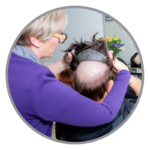
Hair toppers and hair toupees are hairpieces designed to conceal hair thinning or loss. Hair toppers are designed to add volume and coverage to specific areas of the scalp, seamlessly blending with the existing hair. They are carefully selected to match the colour, texture, and style of your natural hair.
Hair toupees provide men with complete crown area coverage, often required for those experiencing male pattern baldness or a receding hairline. These hairpieces are carefully designed to replicate the look and feel of real hair, offering a natural appearance.
Hair Toppers & Hair Toupees can be secured to your head using clips, tapes and glue on systems.
These hairpieces can be used temporarily or as a long-term practical solution, allowing people to regain a fuller and more natural-looking head of hair.

Hair Colour
for weak & damaged hair
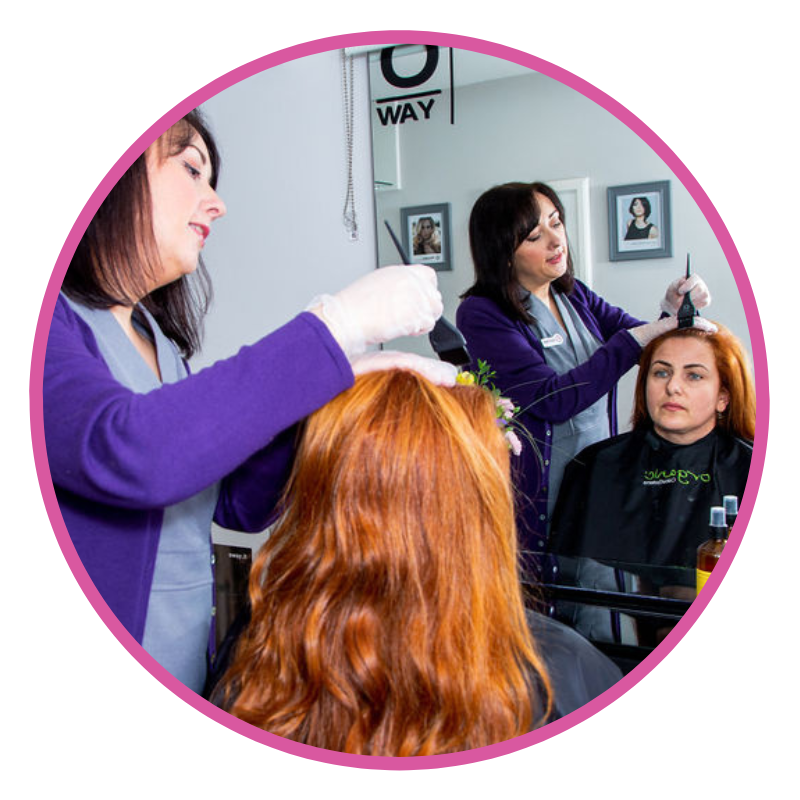
At Roches, our salon is dedicated to nurturing and caring for your hair. We exclusively use OWAY products, known for their organic and gentle formulations.
Located in Dublin, our hair loss salon provides a private and comfortable environment where you can feel at ease, regardless of your hair loss concerns. Our salon room is private, so it will only be you and your hair stylist present during your hair do. We also have a blind that can cover the mirror if you would prefer not to see yourself without your hair piece or wig.
OWAY organic natural hair colour contains organic ingredients that avoid harsh chemicals, promoting healthier hair. Oway is a professional hair colour suitable for dry, damaged hair. Our personalised approach in our Dublin hair loss salon ensures that we address your specific needs and provide tailored solutions.
Experience our nurturing care, and let us help you achieve beautiful, vibrant hair.